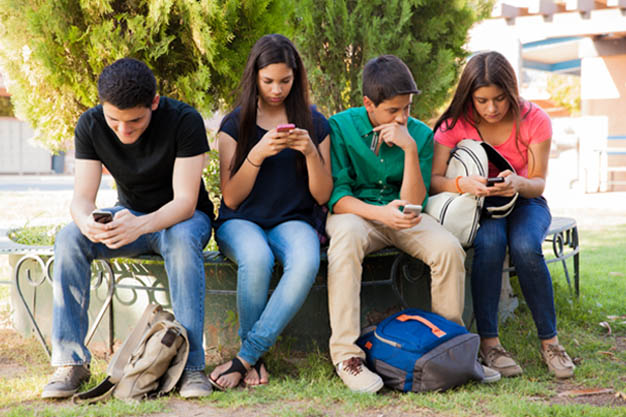
In today’s fast-paced digital environment, social media has become a central part of teenagers' lives. From staying in touch with friends to exploring personal interests, teenagers are spending more time online than ever before. While there are many advantages, it’s important to understand how social media can shape a teenager’s mental, emotional, and social development.
Mental Health and Self-Esteem
One of the biggest concerns surrounding social media is its effect on mental health. Teenagers often compare their lives to the carefully curated images they see online. This can lead to feelings of inadequacy, low self-worth, and anxiety. The pressure to appear
“perfect” in every post may cause stress and make teens feel left out or isolated when they see others attending events or enjoying experiences without them.
Privacy Risks and Online Safety
In the social media world, it’s easy for teens to forget that what they post can have lasting consequences. Sharing too much personal information may expose them to risks such as cyberbullying, online scams, or identity theft. Once something is online, it can be hard to
remove — potentially impacting their future education or career opportunities.
Distraction and Academic Impact
With constant notifications and endless scrolling, social media can also be a major distraction. Teenagers may find it difficult to concentrate on schoolwork or responsibilities. Over time, this can affect academic performance and lead to poor time management habits.
Positive Sides of Social Media
On the other hand, social media also brings many positive opportunities. It helps teens stay connected with friends and family, especially those who live far away. It’s also a creative outlet — allowing young people to share talents, join communities with similar interests, and
stay informed about global events or educational resources.
Healthy Digital Habits
To help teens use social media wisely, it’s important for parents and educators to encourage balance. Setting time limits, promoting face-to-face interactions, and teaching online safety can go a long way. Teens should also be guided to build their confidence offline — through hobbies, sports, or social activities that give them a strong sense of self.
Social media plays a powerful role in shaping how teenagers see themselves and interact with the world. By understanding both the risks and rewards, and promoting healthy digital habits, we can help teens navigate the social media world with confidence, safety, and purpose.